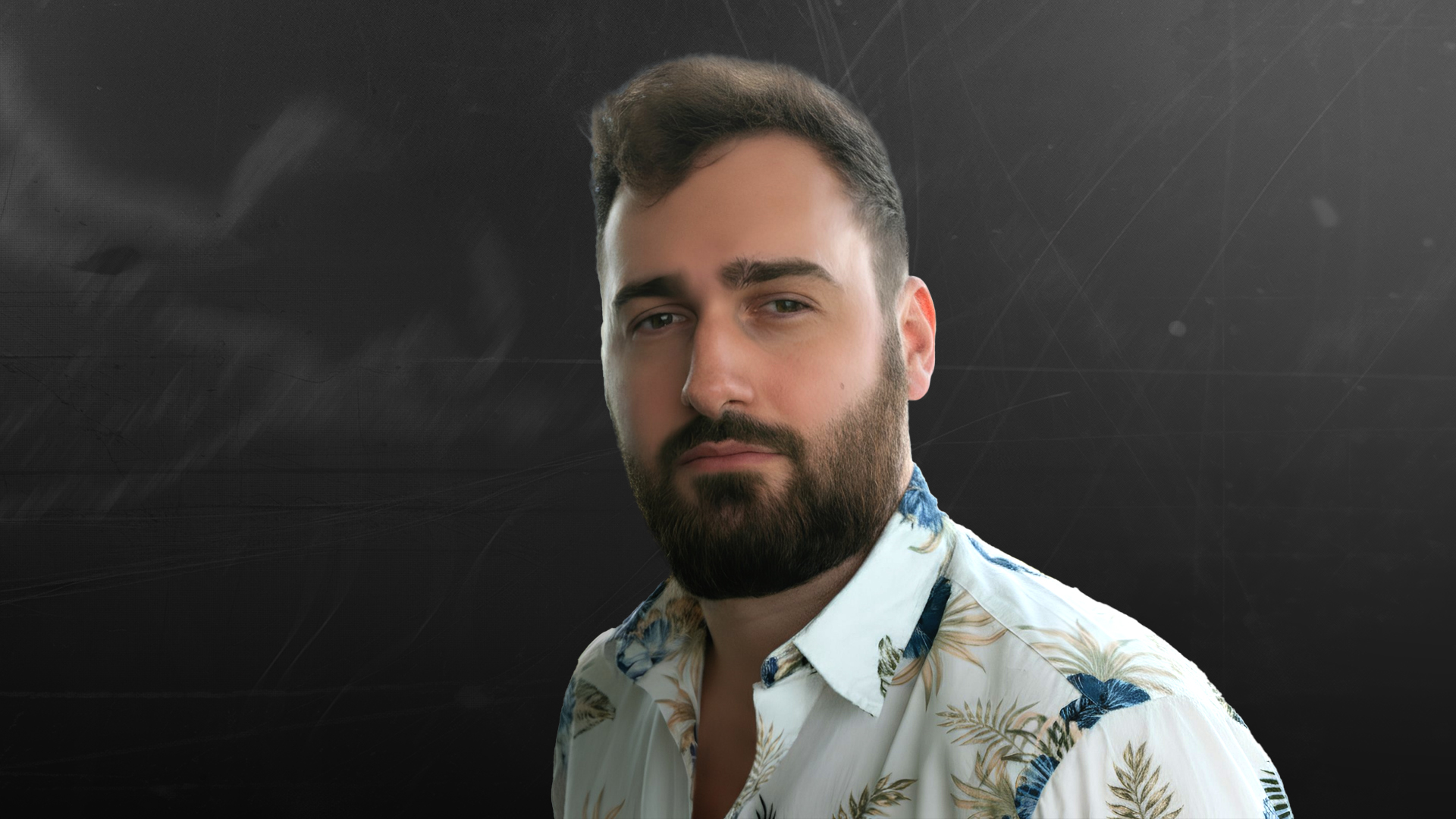
Beyond leading the Character Art team, Bart is shaping and defining how the studio works.
Behind the Characters: Building AAA Worlds Across Borders
Bart Walhout, Lead Character Artist
Intro
After bringing characters to life on Horizon Forbidden West, Bart Walhout (Lead Character Artist) joined MHG – and now leads the Character Art team remotely from the Netherlands. Balancing hands-on work with remote leadership, he’s shaping characters, mentoring his team, and proving that great art knows no borders.
JOURNEY & GROWTH
FROM SERIOUS GAMES TO BLOCKBUSTERS
» Tell us about your journey to becoming a Lead Character Artist. Which projects were pivotal for you?
I started my art journey in gaming during my Visual arts studies in 2011, when I first discovered ZBrush. I have spent my time experimenting with random sculpts: rocks, trees, faces – anything I could make. This work quickly led me to my first internship in 2012 in the serious game space (games built to educate and train, not just entertain), where I helped build puzzle games for the Wii U to train doctors in keyhole surgery, and worked on balance-training games for kids using Kinect.
I was exposed to a wide range of disciplines: rigging, environment art, animation, design, and character art; and I quickly found my passion in characters. I went on to focus my studies around character work, from life drawing to cinematic character creation projects.
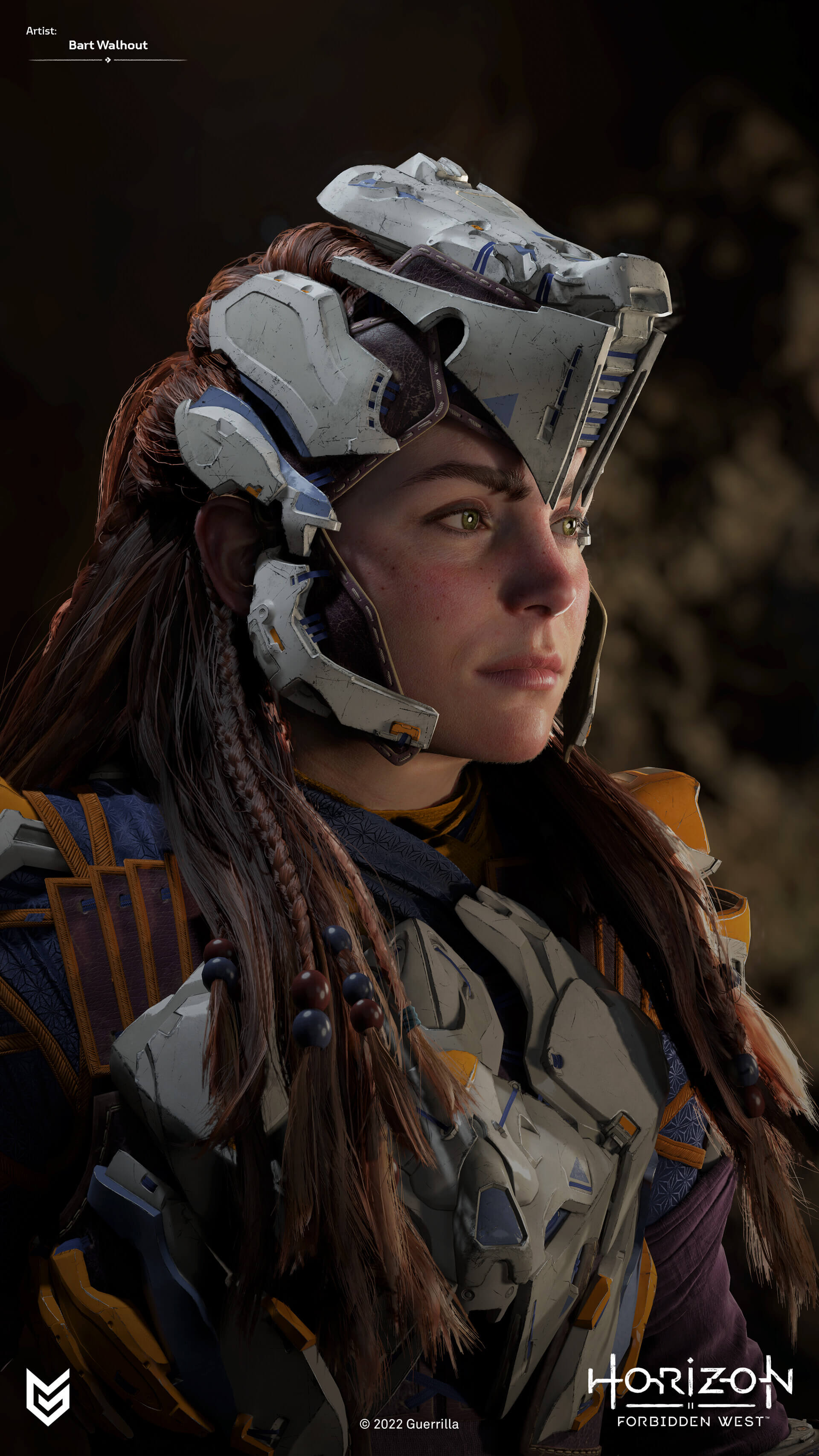
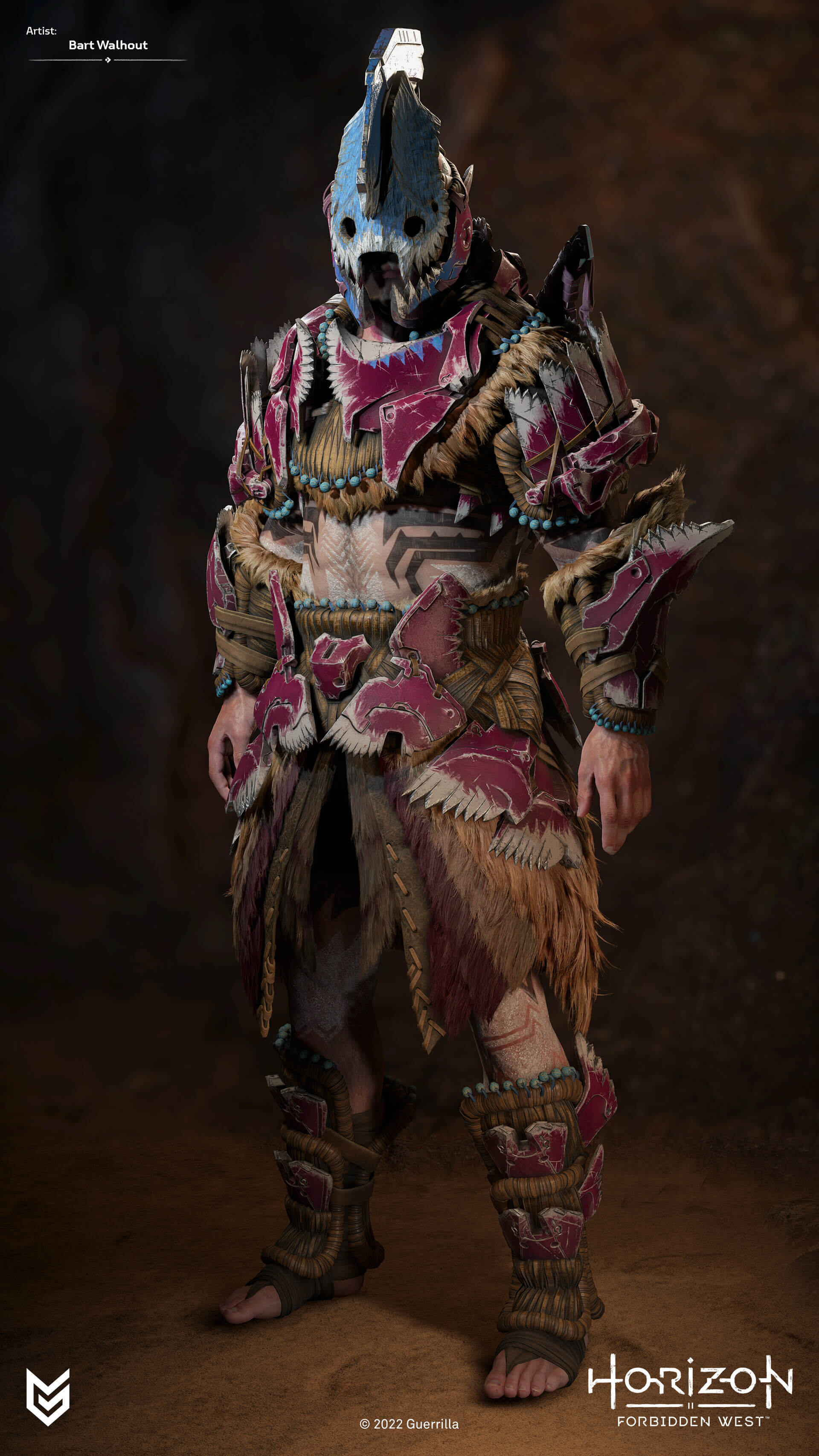
I learned a great deal from my fellow students, which eventually led me to a Trainee Character Artist role at Guerrilla Games on Horizon Forbidden West. Surrounded by highly skilled artists, I actively sought feedback and grew fast. I also worked under three different leads, each with their own leadership style, learning what works and what doesn’t – valuable lessons I still apply today as a Lead Character Artist at Mad Head Games.
I learned a lot from the people around me, and they’ve had a big impact on my skills and career. I’ve always aimed to work alongside talented people I can learn from, and hopefully to return the favor by lifting others up.
» What is the biggest lesson from Horizon Forbidden West that still shapes your work today?
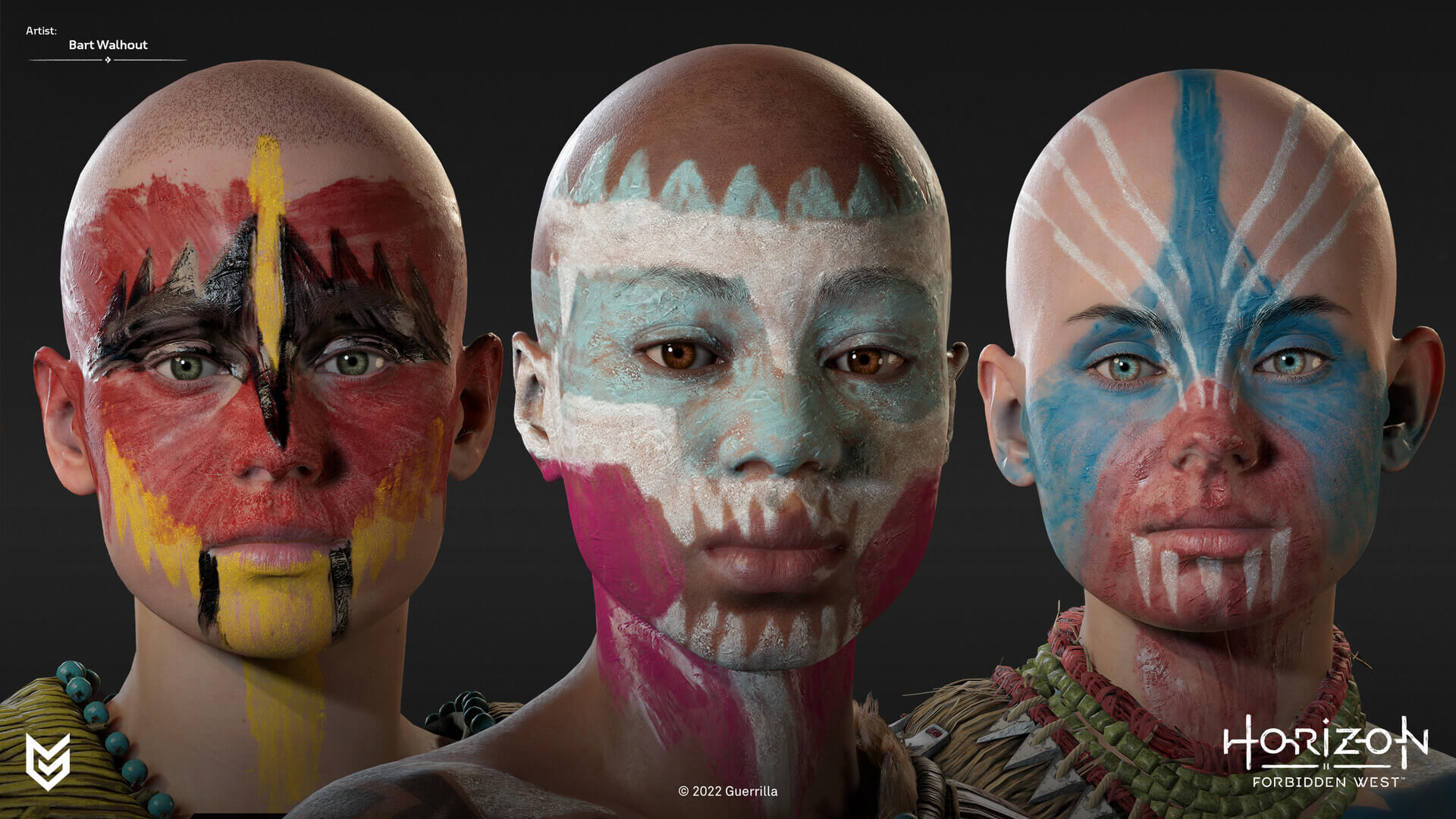
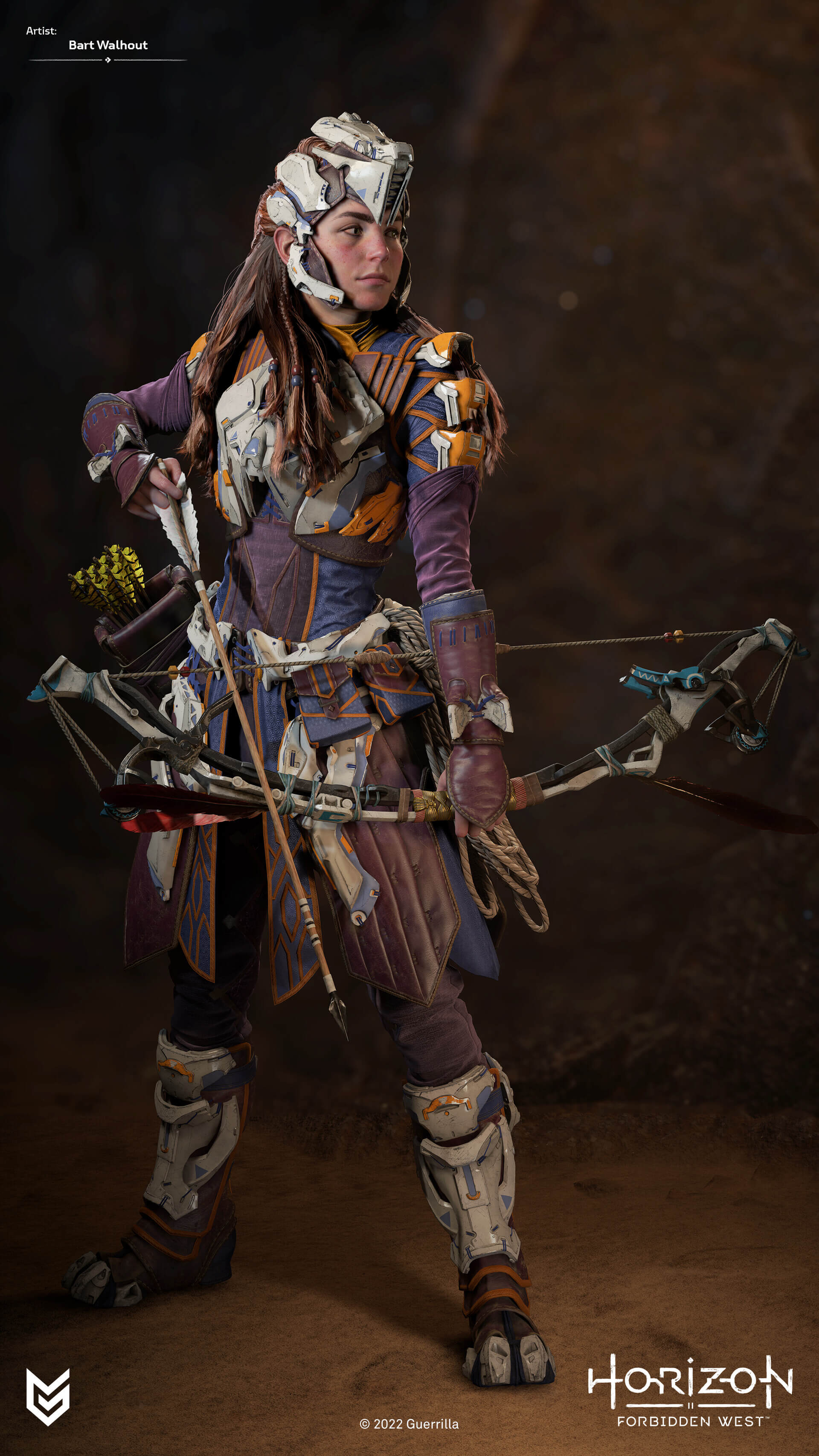
I worked about five years on that project, and learned countless lessons along the way. I am really proud of the team and grateful for everything they taught me, especially for the takeaways that shaped how I work today.
One of those takeaways is how to deal with performance and optimization. It is as much about art as it is about tech. You need to plan ahead to ensure your characters survive optimization without losing their look. Luckily, some incredibly talented tech artists and directors had art backgrounds and helped us work efficiently while keeping the project beautiful.
The second key lesson is to always improve and experiment. Don’t treat a pipeline as if it’s set in stone: stay open to evolving it, finding ways to make it more efficient, get excited with new tools, and share your discoveries with the team. This can range from finding or creating small scripts to automate repetitive tasks, to hand-building a Materialscanner for creating tiling textures.
» Which skills or habits were crucial for shaping your growth to senior/leadership position?
Constructive feedback might seem obvious, but doing it right is crucial.
It should help your colleagues, not frustrate them. Take extra effort, break things down, explain why, so mistakes can be avoided next time. The same goes for people in outsourcing: they are also a part of your team – teach them and guide them.
And also—don’t wait for perfection—show your work in progress! I used to hold back, waiting until I thought a task was perfect before sharing it with the team or director. This often led to more feedback or worse results. Get comfortable showing unfinished work and involve others early. Most people understand it’s a process, so you need to learn to trust it.
REMOTE MHG EXPERIENCE
LEADING FROM NETHERLANDS
» What’s it like working for MHG and leading a team from the Netherlands?
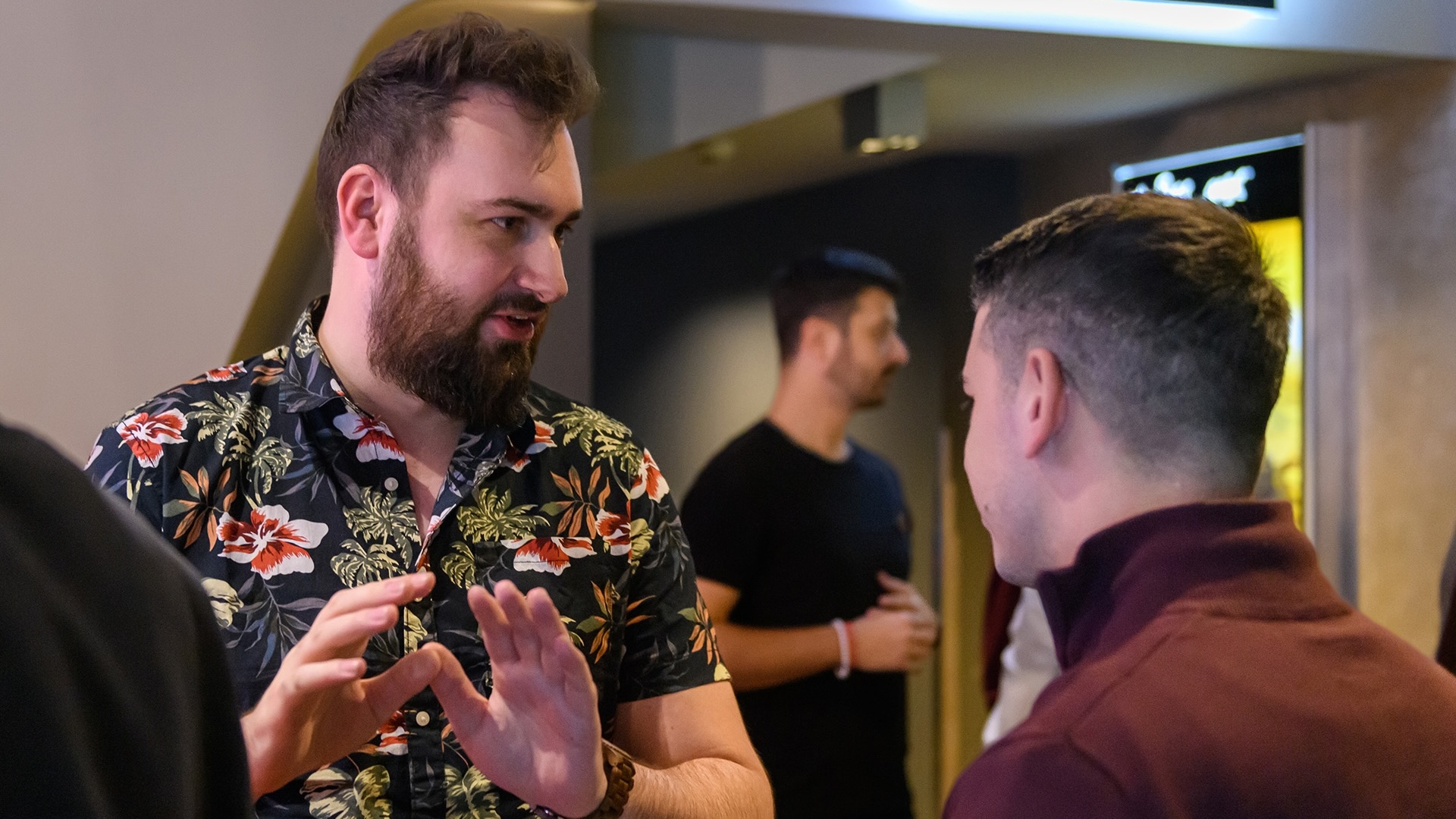
Luckily, the studio flew me out a few times to visit and meet the team in person. Which also gave me the perfect excuse to introduce them to Dutch snacks, from licorice to stroopwafels. It really helped me feel more connected to my colleagues. Now I just need to figure out how to bring raw herring next.
It’s my first time to lead the team fully remote.Ideally, I’d sit next to the team and talk through art together. That took some getting used to, but remote work became second nature for most of us during lockdowns. Instead of long message threads, I prefer quick calls. We use Discord, which makes jumping into a channel easy. We also have two weekly stand-ups, a team call, and regular syncs with direction for feedback. I try to avoid long meetings, though, they can be disruptive to artists’ focus.
I rely on time blocking – I like setting aside clear slots for meetings and team topics, and separate time to focus on creating or applying feedback myself – when that’s needed.
» Working on a massive AAA project comes with high expectations. What are the biggest challenges you’ve faced, and how have you tackled them?
The biggest challenge for me is setting a quality bar, and then keeping the game consistent at that level. Making one great character is one thing, but when you need a hundred of them (with limited time and a team at different skill levels) consistency becomes the real challenge.
How to tackle that? It’s all about creating clear paths for artists: solid pipelines, regular reviews, the right tools and resources, clear priorities, and training. It is about finding a way to raise quality, while maintaining consistency and speed.
» Tell us more about tools and pipelines in the Character Art team. How do Character artists work with other teams at MHG?
The software stack includes the usual art tools: ZBrush, Maya, Substance and Unreal, along with a handful of smaller supporting tools.
But to keep the pipeline efficient and the quality high, we use approval gates. The work is split into primary, secondary, and tertiary shapes, with sign-off at each step before moving forward. This way, we don’t waste time backtracking. The most important thing is having a strong direction that understands and respects this process.
The character art team sits between Concept art, Technical art and Animation, and often works closely with VFX and Design departments as well. That means a lot of cross-department collaboration on a weekly basis. For example, Character artists join concept feedback sessions to flag things like potential clipping or deformation issues early on. This prevents wasted effort and rework down the line, and ensures the team stays coordinated.
» How much opportunity do you have to impact other teams beyond Character Art?
As the company continues to grow, leads across disciplines work closely together. We regularly share ideas, what worked at other studios or find entirely new approaches that will help evolve the company. Because of that, there’s plenty of opportunity to make an impact beyond your own team.
The studio offers learning and development support for both new and experienced leads. It can be tricky to balance with work, but they’re valuable for learning how other leads and directors tackle similar challenges, share solutions, and offer advice.
TEAM AND CULTURE
PERSONAL TAKEAWAYS
» What made you want to work at Mad Head Games?
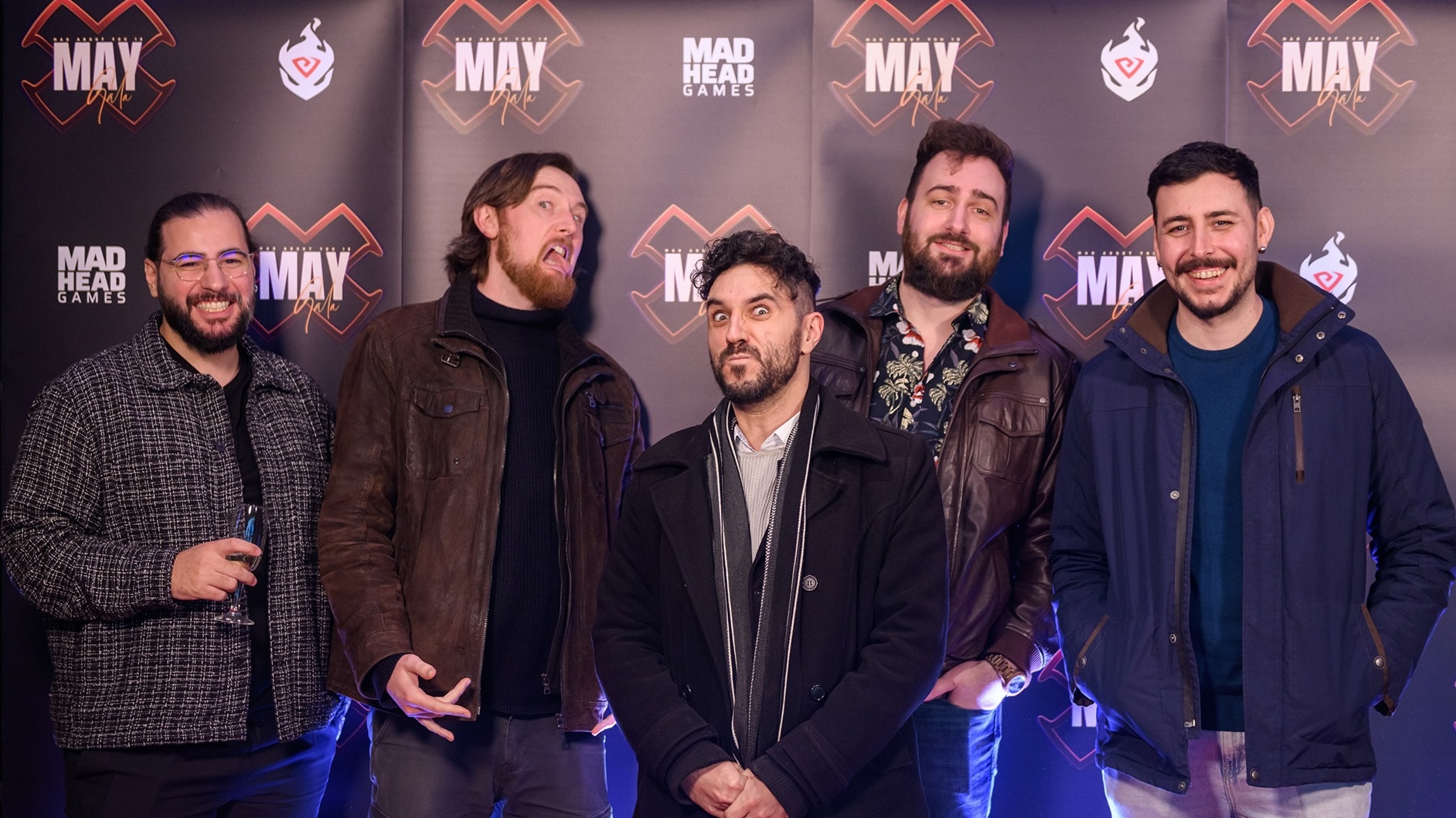
I hadn’t heard of Mad Head Games before recruitment reached out, but the fantastic recruiter Milena got me excited by sharing what they are working on. The fact they’re a AAA studio collaborating with Saber Interactive immediately caught my interest.
» What were your first impressions of the studio and its culture?
When I joined, I noticed that the studio was in the middle of a transformation from AA to AAA. Because of that, they really listen to the professionals they hire and push both the teams and the whole studio to improve. Teams aren’t overly restricted. The work is driven by people, their skills, and strong ideas that can help the project. Leadership is open, the hierarchy is flat, and everyone’s encouraged to share ideas or raise concerns.
The art team is very proactive. People are willing to tackle tasks outside their skill set, eager to learn, grow, and help others do the same. Departments are still forming and growing. The studio is open to ideas on improving processes, making this a perfect moment to join in. Unlike other AAA studios that can feel rigid, MHG feels flexible and adaptable.
» What have been the most rewarding aspects of working as Lead 3D Character Artist here?
There are a few layers to what I find rewarding.
As a character artist, it’s incredibly satisfying to see my work out in the world. When I see players enjoying the game, or spot a cosplay of an outfit I helped creating, there’s something special about knowing your creations are part of someone else’s experience.
As a lead, the pride comes from seeing the team succeed. Creating coherent, high-quality characters and knowing I helped guide and support them to achieve that. Watching others grow and excel is hugely fulfilling.
At the studio level, the most rewarding part is being part of a project that’s very close to my heart. Even though it’s still unannounced, being involved in something that I’m truly passionate about and seeing it come together with such a talented team is incredibly meaningful.
» What would you say to experienced character artists considering joining MHG?
If you enjoy hands-on work, variety, improving pipelines, and working on big AAA projects that stay true to their IPs – JOIN US!
Feeling inspired by Bart’s story? Come build AAA project with us.
BLOG
You too canbecome a hero
- We’re looking to add more superpowers to our team, so... are you up to that task?
- Check out our careers page for open positions.
- If there's nothing that suits your skills now, there may well be soon!