The Art of the Fight
Intro
From narrative indie games to mobile versions of Mortal Kombat and Injustice 2, Nikita Kalashnikov’s path to becoming a Combat Designer has been anything but straightforward – and that might be exactly what makes him great at what he does!
After relocating to Belgrade to join our AAA journey, Nikita is about to hit a milestone: his first work anniversary in our studio. As an international team member working on-site, he offers a unique perspective on what it’s like to build a life in Serbia while crafting the combat systems that will bring our game to life.
Here’s what he had to say about his career, Serbian hospitality, and why working in the office matters more than you might think.
JOURNEY & GROWTH
WHEN YOUR LAST NAME IS KALASHNIKOV, COMBAT DESIGN JUST MAKES SENSE
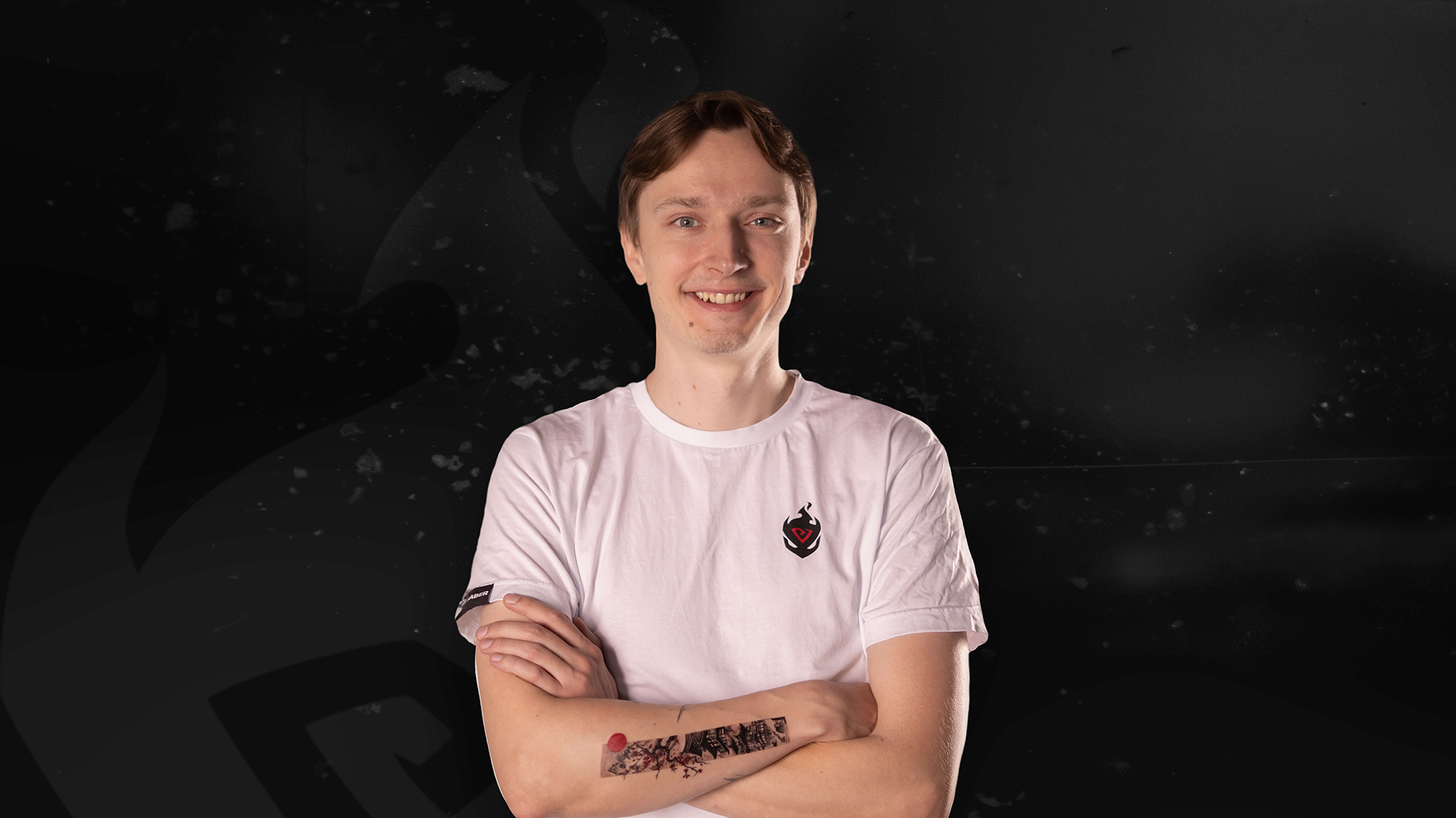
» Tell us about your journey to becoming a Combat Designer. What were the key projects that shaped your career and skills?
I would say that I landed in Combat Design through a kind of a long route. After working on narrative indie games and live-action RPGs, my first commercial project was a survival action game. It was a great proving ground that helped me understand the essential basics of melee and ranged combat principles, as well as AI behavior. I was given a lot of creative freedom, along with strong tools to design enemies with different combat behaviors. That’s when I realized how much I enjoy this part of development. Later, working on an AAA action RPG revealed that I was just scratching the surface – there’s a lot more to explore and learn about what became my passion.
» Working on mobile versions of Injustice 2 and Mortal Kombat – two legendary fighting franchises – must have been exciting! What were the biggest lessons you took away from those experiences?
It really was, and being a geek since my teenage years, it felt surreal to work with characters and worlds I grew up with. (Now I can also justify all the money and time I spent playing games and reading comics!)
On a serious note, knowledge of the source material is a must – and your dedication and immersion in it directly affect the outcome of whatever you do on such a project.
Since game development is a team effort, a unified vision that everyone understands and can follow within their work is a key to success for both players and developers. Usually, researching such huge imaginary worlds takes a lot of time and is somewhat of a constant activity, but this is the only way to provide an experience at the quality level the audience expects and deserves. At the end of the day, you’re responsible for the presentation of their beloved worlds and characters.
» What skills or habits have helped you grow the most in your career as a Combat Designer?
Play, research, prototype – same as in any design field. Play combat-focused games to see the spectrum of combat systems and what makes each of them “click.” Then try making the style you like yourself to learn the systems involved. Any design is a craft, and you can always learn a lot by practicing it.
BELGRADE LIFE
A FOREIGNER’S GUIDE TO MAD HEAD GAMES
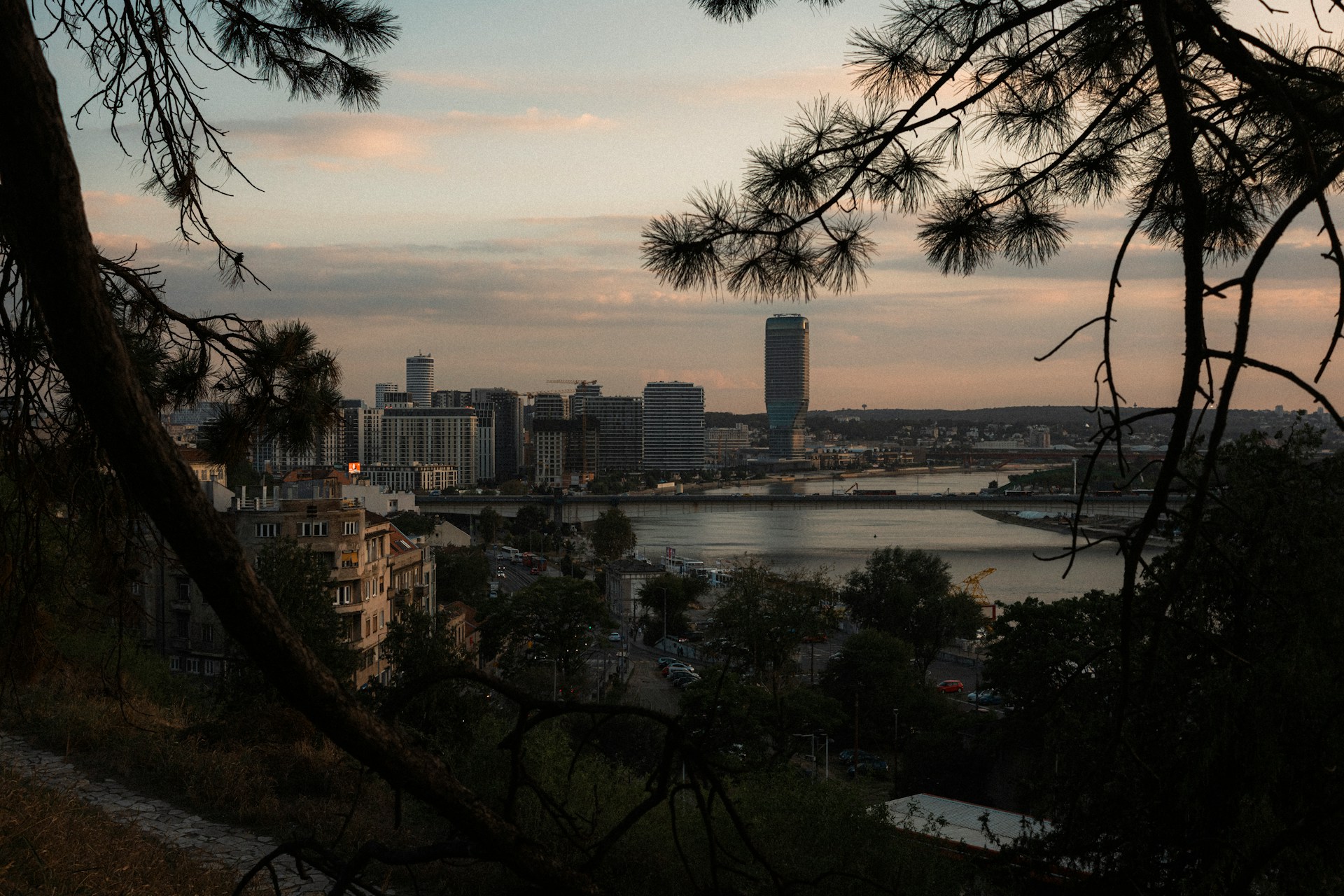
» What were your first impressions of Belgrade and Serbia?
I have rarely seen such positive and welcoming people as I did in Serbia. Everyone greets you with a smile and is always supportive. I regularly find myself having casual small talk with strangers on the street or at some place, and that feeling of positivity and openness feels very good to be around.
The city is great and multifaceted, while nature is amazing if you decide to ride just a little bit away from city life.
And local cuisine deserves its own separate questionnaire – the variety and quality of the food are staggering, especially if you like meat. Serbians deservedly take pride in their local produce.
» How familiar were you with Mad Head Games before applying? What motivated you to join?
To tell the truth, I only knew Scars Above and that it was made by a studio that decided to transition fully into AA and AAA development. I believe a lot of artists, in any art form, do what they do because they have something to say – and they want to do so. So when a whole studio is united by a goal like this, you always wonder what they have in store for players. It takes courage, and I would have loved to be part of such a team.
» You work in the Belgrade office without speaking Serbian. How has that been? Do you feel integrated into the team despite the language barrier?
On top of that, this is the first time I’m working in an office since COVID! So I was really nervous about how it would be to arrive as a foreigner. But in the end, I never felt like one.
Everyone speaks English perfectly. I never felt alienated or not included in conversations, and I can’t thank the people in the office (and in the studio in general) enough for all of this.
I know Serbian just a little, but even without it, I get to talk to all the wonderful people I work with.
» What’s your favorite thing about living and working in Belgrade?
I believe that living with a good work-life balance in a city like Belgrade is great because, apart from some traffic jams at the end of the day, everything is just 20-30 minutes away from you. A park, your favorite coffee or food place, board game club, or a cinema – you can get there pretty easily and quickly. I was raised in a big city, and I can confidently say that I can do much more during the day here in Belgrade.
THE WORK & CRAFT
THE ART OF THE FIGHT
» What makes great combat feel great?
It’s an exercise in tug of war on both the player vs game systems level and the character vs enemy level. The player wants to live the fantasy that the game provides and feel able and powerful. The game’s goal is to provide just the right amount of challenge to entertain the player. And I’m not talking about the state of flow (which is the result, not the process), but rather about the systems and complexity you provide to the player. It is a dialogue where both sides should speak the same understandable language and have similar power. They push and pull, applying pressure on each other, tension rises high, but humans triumphantly come out on top – as they always do.
It’s a universal story of pushing yourself through trials to a satisfying victory.
» Working on AAA combat systems comes with high expectations. What are the biggest challenges you’ve faced, and how have you tackled them?
I believe you can’t usually imagine the scope and size of things in an AAA project until you work on one. This is usually where all your specific and tangential knowledge is put to the test in an interconnected web of systems and features. So, as always, self-improvement is a never-ending pursuit if you’re reaching for the intended quality bar. You have to make a lot of decisive and informed decisions, and the more you understand the subject, the better. Hesitation is defeat, as a great warrior once said.
» How does collaboration between combat design and other departments (animation, programming, VFX, audio) work at MHG?
It’s always great, and the best thing about it is that it always feels like a collaborative effort. Combat involves a lot of elements, and I have the opportunity to talk and work with talented people across all these departments. Everyone steps up and brings their ideas or improvements, which makes it a true team effort. I personally wouldn’t want it any other way.
» What have been the most rewarding aspects of working as a Combat Designer at MHG?
Teamwork, definitely. That “we did good” feeling when you band together and turn dozens of features into fun gameplay. You take a breath, pat each other on the back, and get ready for the next dive into the production ocean.
TEAM & CULTURE
BUILT ON BIG HEARTS
» As an international team member working on-site, how would you describe the work culture at MHG – and what would you say to international game designers considering relocating to Serbia?
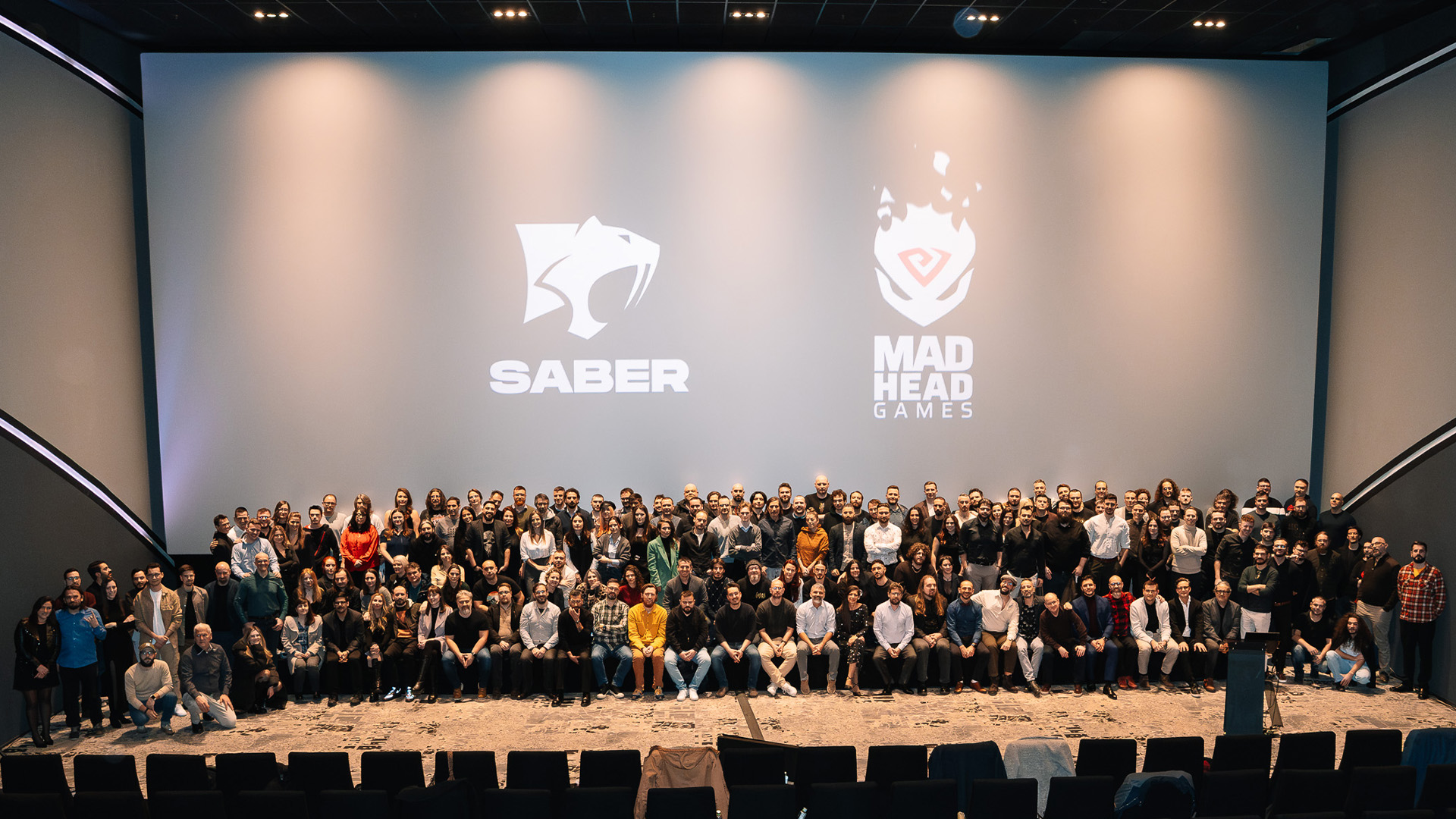
MHG’s culture is deeply human-oriented. The studio is clearly led by people with big hearts, and that trickles down to daily work. Everyone who works here does so because of innate passion, and the studio does everything to support this inner fire and provide creative freedom to to express it.
You really shouldn’t miss out on this office and team culture. I love going to the office and talking to people in person, as this is how the seeds of something great are born. If we’re all making a single art piece together, it only makes sense to be closer while making it.
» What excites you most about the future at MHG?
Having seen what everyone here is capable of, I am beyond excited for current and any other future projects. It feels like it’s only getting started, and the road ahead is exciting.
» What’s one thing you wish more people knew about working at Mad Head Games as a foreigner?
The language barrier is not a problem since Mad Head Games has already been an international studio for some time. So if you’re still on the fence, you still have time to join before the studio becomes the next big thing. You’ll be accepted and welcomed with open arms.
BLOG
You too canbecome a hero
- We’re looking to add more superpowers to our team, so... are you up to that task?
- Check out our careers page for open positions.
- If there's nothing that suits your skills now, there may well be soon!